Undergraduate Research of Airworthiness Issues of the L-1011 TriStar Tanker
Introduction
In 2019, as a second-year aerospace engineering student, I worked on a research project under NAVAIR (Naval Air Systems Command) on airworthiness in aviation. I chose the Lockheed L-1011 TriStar Tanker as my case study. It was a commercial aircraft adapted for military use, and that transformation raised questions about structural modifications, certification requirements, and safety margins.
At the time, I relied on secondary sources and descriptive analysis. I could explain what happened, but I couldn’t quantify why certain design decisions were made or how modifications affected structural integrity. Now, with my aerospace engineering degree, I’d approach this project differently.
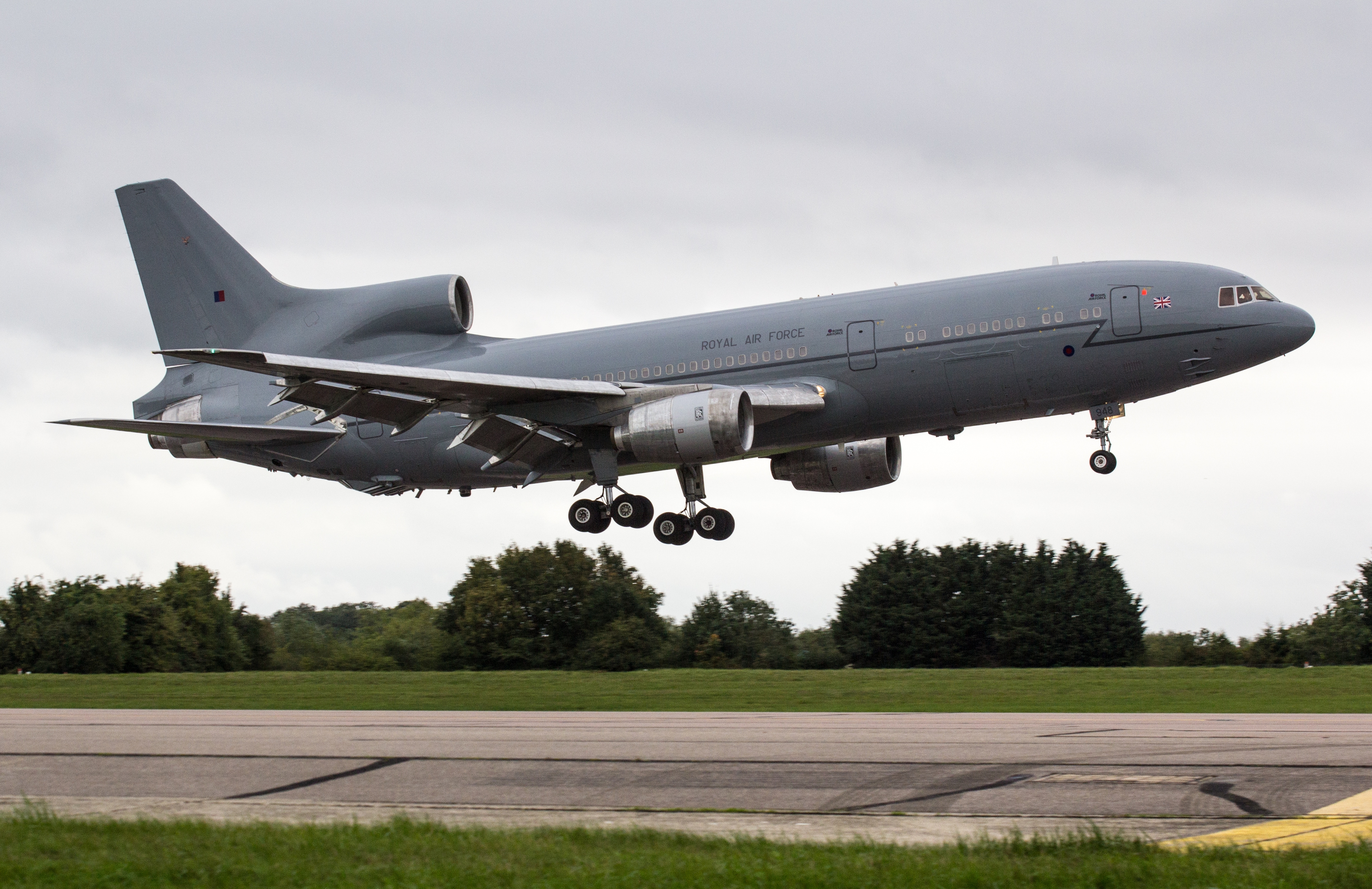
Figure 1: RAF L-1011 TriStar adapted for military service
Understanding Airworthiness
Airworthiness means proving an aircraft can fly safely under expected conditions. It covers structural integrity, system reliability, and performance. All of this is measured against FAA and EASA certification standards. Over time, these standards have expanded to include probabilistic risk assessments and damage tolerance, accounting for long-term wear and unexpected loads.
The Lockheed L-1011 TriStar: Design and Development
Development Context and Challenges
The L-1011 TriStar was Lockheed’s answer to the DC-10. Its development was complicated by delays with the Rolls-Royce RB211 engine, which nearly bankrupted the engine manufacturer and slowed aircraft production.
When I first studied this in 2019, I treated financial pressures as background context. I didn’t connect how budgetary constraints directly influenced engineering trade-offs between performance, cost, and safety. Now I understand these factors are central to airworthiness certification. Engineering decisions aren’t made in isolation. They’re constrained by development timelines, manufacturing costs, and regulatory requirements.
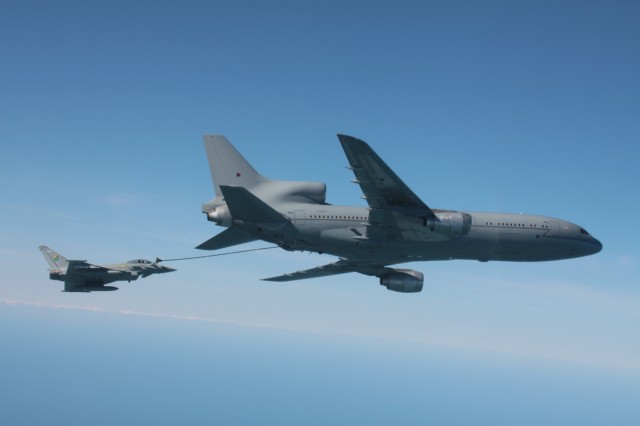
Figure 2: L-1011 TriStar performing air-to-air refueling operations, showcasing military adaptation capabilities
S-Duct Aerodynamic Design
One of the L-1011’s most distinctive features was the S-duct feeding its third engine, tucked into the tail. My original analysis described it as an innovative design choice without quantifying the aerodynamic or structural implications.
Now I’d use CFD simulations to analyze pressure distribution along the duct during different flight conditions: cruise, climb, and descent. I’d calculate distributed loads on the structure, evaluate structural stability under varying pressure conditions, and examine stress-strain relationships in critical sections where the duct curves. This would help me understand the engineering decisions behind this design.
What I Missed in 2019
My original report had three major limitations. I didn’t know how to use tools like Finite Element Analysis (FEA) or CFD, so I described structural and aerodynamic features but couldn’t evaluate performance numerically. I relied almost entirely on secondary summaries instead of primary sources like flight logs, maintenance records, or test reports. I also overlooked how external factors like economic constraints, regulatory changes, and mission requirements directly shaped both design and airworthiness outcomes.
What the TriStar Project Taught Me
The TriStar project showed me the difference between describing engineering and actually analyzing it. In 2019, my approach was descriptive. I could explain what happened, but I couldn’t analyze why or how. Now I’d use quantitative tools, dig into primary data, and understand how everything connects.
Engineering isn’t just about having the right tools. It’s about asking the right questions and understanding what you’re missing. The TriStar project taught me that connecting design, analysis, and real-world airworthiness requires both technical depth and systems thinking.